What Makes a Safari in Kenya a Humbling Wildlife Experience
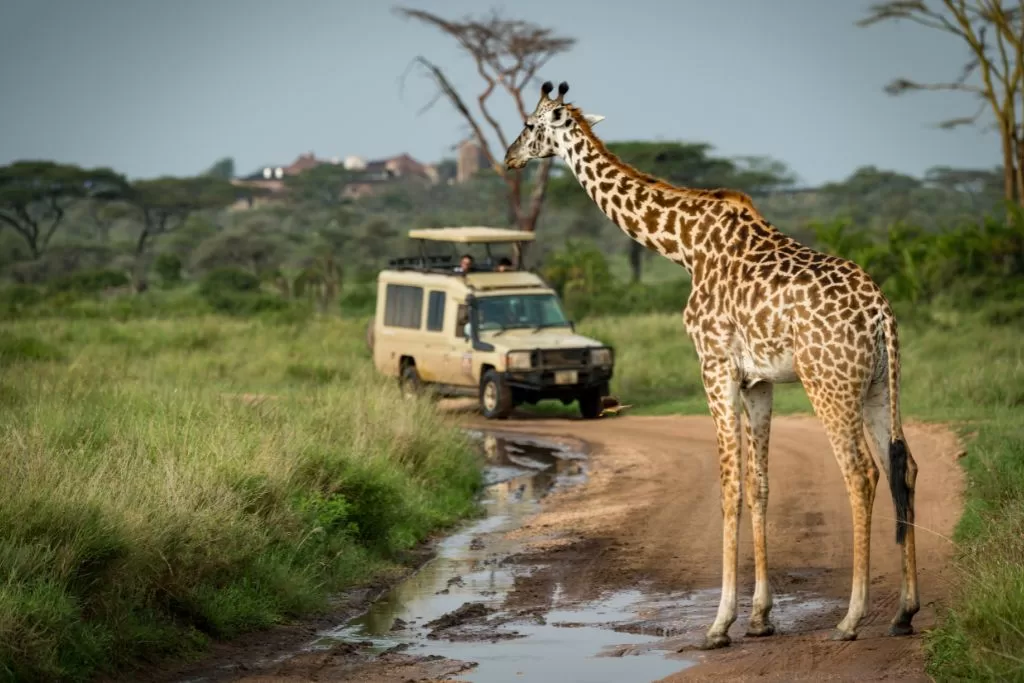
In Kenya’s Maasai Mara and other reserves, animals aren’t staged or directed. They’re busy living their lives: traveling for resources, protecting their young, navigating territory, feeding, and resting.
You’re not coming to see a show.
You’re entering someone else’s habitat.
A Living Ecosystem
What makes Kenya remarkable isn’t just the individual animals, it’s the interconnected system:
- elephants shaping the environment by clearing pathways
- predators maintaining population balance
- grazing animals distributing nutrients
- birds acting as alarm networks through calls
We’re not simply observing wildlife, we’re witnessing an ecological choreography.
Why Early and Late Are the Best Times
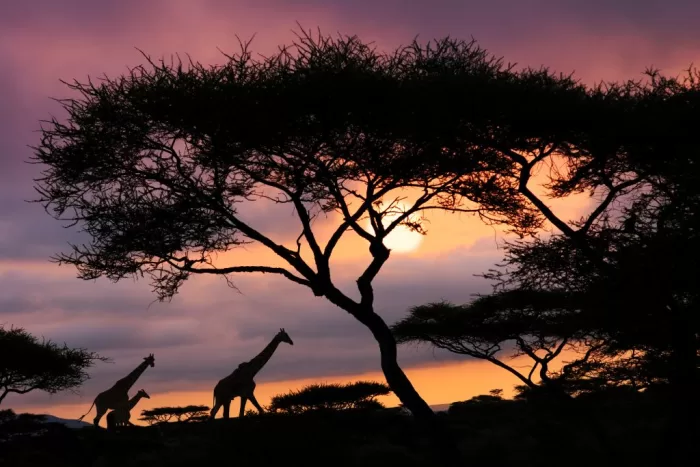
Animals behave differently depending on light and temperature:
- dawn: active movement, cooler temperatures
- midday: retreat and shade
- evening: renewed energy and hunting behavior
Good to know: Your patience often determines your reward. Those who linger tend to see more.
Respectful Viewing Matters
Ethical wildlife travel means:
- keeping distance
- avoiding loud voices
- not attempting to lure animals closer
- respecting the guide’s instructions
We don’t insert ourselves into their story, we observe it responsibly.
A Quiet Shift in Perspective
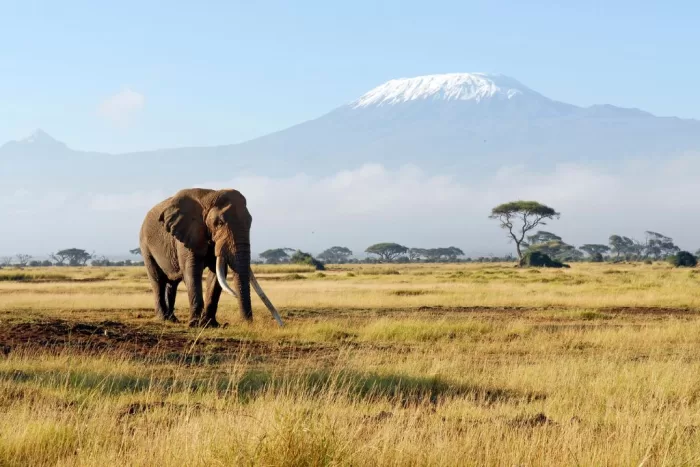
Many travelers return from safari commenting on something subtle. They feel smaller, but in a grounding way.
A Thought for You
When it comes to wildlife experiences, do you prefer close encounters, or do you find more meaning in quiet observation from afar?
Related Travel Insights
If you’re drawn to experiences where humans are observers rather than participants, you may enjoy:
- What a Rainforest Really Sounds Like in Costa Rica
- What Makes the Northern Lights in Alaska So Extraordinary
If slower, scenic travel captures your attention: